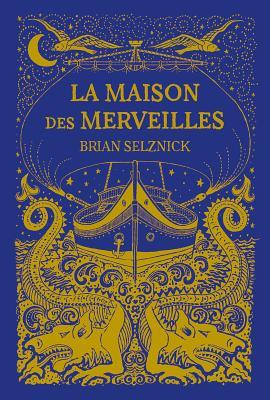
Brian Selznick's La Maison des Merveilles: A Family Saga Unveiled
Step into a world where destiny weaves through generations, where the silence of charcoal drawings speaks volumes, and where a gripping mystery unfolds across centuries. Brian Selznick's La Maison des Merveilles, known in English as The Marvels, is more than just a book; it's an immersive experience that redefines storytelling. While the phrase "La Maison des Merveilles" might also evoke images of a vibrant artistic hub, perhaps a creative collective like La Maison des Merveilles: Your Creative Hub for Art, Books & More, in the context of Brian Selznick, it refers to an extraordinary literary creation. This comprehensive illustrated novel stands as a testament to Selznick's unique genius, crafting a profound family saga that captivates readers young and old with its intricate narrative and breathtaking visuals.
Selznick, celebrated for his groundbreaking works like The Invention of Hugo Cabret and Wonderstruck (Après la foudre in French), once again masterfully blends text and stunning charcoal illustrations to construct an epic tale. La Maison des Merveilles invites us into a dual-narrative journey, spanning two distinct eras and following two seemingly unrelated characters whose lives are bound by invisible threads of fate, family, and extraordinary circumstances. This work is a sprawling, ambitious narrative that delves deep into the essence of legacy, the power of art, and the relentless human quest for connection and belonging.
A Masterclass in Dual Storytelling: Decoding La Maison Des Merveilles
At the heart of Brian Selznick's La Maison des Merveilles lies an innovative and ambitious narrative structure that is truly a marvel in itself. The novel is ingeniously divided into two distinct parts, each presented in a different format and set centuries apart, yet destined to converge in a breathtaking finale. This dual approach is a hallmark of Selznick's genius, creating a reading experience that is both visually stimulating and profoundly intellectual.
The first part, set in 1766 London, unfolds almost entirely through Selznick's signature, exquisite charcoal illustrations. Here, we are introduced to the remarkable story of young Billy Marvel. Faced with hardship, Billy clandestinely boards an American whaling ship, setting in motion a series of events that will shape generations. A devastating storm and shipwreck leave Billy and his loyal dog as the sole survivors, catapulting him into an unexpected destiny. His incredible tale quickly becomes a legend, leading him to London where he is embraced by the burgeoning theatre scene. Taken under the wing of a new theatrical company's directors, Billy's life takes an extraordinary turn. Years later, an abandoned infant, Marcus Marvel, arrives on his doorstep, becoming the first in a storied lineage of illustrious actors. This pictorial narrative traces the Marvel family's journey through the triumphs and tragedies of life on the stage at the prestigious Royal Theater, charting their fame and misfortunes up until the year 1900. The sheer volume and detail of Selznick's drawings in this section are astounding, allowing the reader to experience history and emotion without a single word.
Fast forward to the second part, set in 1990, presented exclusively through evocative text. Here, we meet Joseph, a young, disobedient boy who feels abandoned by his wealthy family and out of place at boarding school. Following the example of his best friend, Blink, Joseph makes the impulsive decision to run away. His heart brimming with a blend of hope and desperation, armed only with a bag full of books, a broken watch, and a map marked with a mysterious 'X,' he embarks on a journey to London. His mission: to find his unknown uncle, Albert. However, the Albert he encounters is far from the warm, paternal figure Joseph had envisioned. Instead, he discovers a solitary man living a life seemingly untouched by the 20th century, surrounded by secrets and enigmatic objects. Among these curiosities are ancient portraits and artifacts, all seemingly connected to a shipwreck—the Kraken—and the legendary Marvel family. Joseph's quest for connection slowly transforms into a profound search for his own family history, raising the tantalizing question: could he be a descendant of the Marvels?
The brilliance of Selznick's narrative lies in the way these two seemingly disparate stories, one visually told from the past and one textually told from the present, gradually echo and inform each other. The illustrations from Billy Marvel's era become clues, whispers across time, guiding Joseph's contemporary journey of self-discovery. This intricate dance between image and text not only showcases the power of storytelling but also challenges the reader to actively participate in piecing together the magnificent puzzle of La Maison des Merveilles.
Selznick's Artistic Vision: Charcoal, Cinema, and Emotion
Brian Selznick's reputation as a master storyteller is inextricably linked to his unique artistic vision, a quality that shines brightly throughout La Maison des Merveilles. His method transcends traditional illustrated novels; he crafts what can only be described as cinematic books, where the drawings don't just accompany the text but often *are* the narrative itself. This technique, honed in his previous award-winning works, truly blossoms here.
Selznick’s use of charcoal drawings is foundational to his style. These aren't mere sketches; they are elaborate, intricate, and deeply atmospheric pieces of art. The black and white palette evokes a sense of timelessness, perfectly suited for a historical saga. The soft, smudgy quality of charcoal lends itself to creating dreamlike sequences, dramatic tension, and profound emotional depth. Readers are drawn into the silent narratives, often finding themselves pausing to study a single image, decoding its meaning, and appreciating its artistic merit.
What makes Selznick's art so compelling is its cinematic quality. He employs techniques borrowed from filmmaking, such as varying perspectives, close-ups, wide shots, and sequential panels to create a sense of movement and pacing. A series of images can depict a rapid action sequence, a slow pan across a landscape, or an intimate character study. This visual storytelling is particularly potent in the 1766 section of La Maison des Merveilles, where the reader essentially watches a silent film unfold on the page. The meticulous detail in his London cityscapes, the theatrical costumes, and the expressions on his characters' faces convey volumes without needing a single word of explanation.
Beyond the technical prowess, Selznick's art is deeply emotive. He has an uncanny ability to convey joy, sorrow, fear, and wonder through the subtle nuances of his drawings. The vastness of the ocean, the claustrophobia of a ship, the grandeur of a theater, or the quiet loneliness of a single figure—all are rendered with powerful emotional resonance. This emotional depth, coupled with the suspense built through his visual sequences, is what truly sets La Maison des Merveilles apart. It’s a testament to the power of visual narrative to connect with the human heart, demonstrating that some stories are best told when words give way to the profound language of art.
Echoes Through Generations: Themes of Destiny and Discovery
Beyond its ingenious structure and captivating artwork, La Maison des Merveilles is a rich tapestry woven with profound themes that resonate with readers long after the final page is turned. At its core, the novel is a meditation on family, destiny, and the relentless human pursuit of identity and belonging.
- The Enduring Power of Family Legacy: The saga of the Marvel family is central to the narrative, illustrating how choices made by one generation can ripple through time, shaping the lives and destinies of their descendants. Billy Marvel's unexpected journey, his adopted son Marcus, and the subsequent line of actors at the Royal Theater highlight the profound impact of lineage, both biological and chosen. Joseph's modern-day quest to uncover his own family's past underscores this theme, as he seeks to understand where he comes from to truly know who he is.
- Fate vs. Free Will: Selznick expertly toys with the idea of predestination. Are the Marvels fated to their theatrical life, or do they actively choose their paths? Is Joseph's escape from boarding school a random act, or is he being subtly guided by an unseen force towards his destiny? The recurring motifs and coincidences throughout the book raise questions about the interconnectedness of lives and whether certain events are simply meant to be.
- The Quest for Identity and Belonging: Both Billy and Joseph are, in their own ways, outsiders searching for a place to call home and people to call family. Billy, a shipwreck survivor, finds his purpose and a new family in the theatre. Joseph, feeling abandoned and lost, embarks on a literal and metaphorical journey to find his roots and forge a connection with a world that seems to have forgotten him. Their searches for belonging are deeply human and universally relatable.
- The Magic of Storytelling and Art: The theatre itself is a character in the Marvels' story, representing the transformative power of performance and imagination. Selznick's own unique blend of text and illustration champions diverse forms of storytelling. The book reminds us that stories, whether through plays, illustrations, or written words, have the power to connect us to the past, illuminate the present, and even shape the future. The secrets held within Albert's house are revealed through objects and stories, emphasizing their significance.
- The Unfolding of Secrets: Mystery is a potent undercurrent throughout La Maison des Merveilles. Joseph's journey is driven by the desire to uncover the secrets surrounding his uncle Albert and the Marvel family. The gradual revelation of these hidden truths provides much of the narrative tension and ultimately brings the two timelines together in a satisfying and emotional climax.
Through these intricate themes, Selznick crafts a narrative that is not just an adventure but also a thoughtful exploration of what it means to be human, to seek connection, and to understand the echoes of the past that resonate in our present lives.
Why La Maison Des Merveilles Captivates Readers of All Ages
Brian Selznick's La Maison des Merveilles possesses a unique charm that allows it to transcend typical genre boundaries, captivating a broad spectrum of readers from pre-teens to adults. Its wide appeal lies in its innovative format, compelling characters, and universal themes that resonate deeply.
For younger readers, particularly those aged 10 and up, the book serves as an excellent "initiatory novel." The dual narrative provides a fantastic entry point into complex storytelling, encouraging visual literacy alongside traditional reading. The adventure, the mystery, and the relatable struggles of characters like Joseph, who feels lost and searches for his place in the world, make it highly engaging. Furthermore, the sheer beauty of Selznick's charcoal drawings can spark an early appreciation for art and its power to tell a story without words. It's an ideal choice for reluctant readers who might be intimidated by dense text, offering a dynamic visual journey that pulls them in.
Adult readers, on the other hand, will appreciate the intricate craftsmanship of the narrative, the subtle thematic layers, and the emotional depth of the characters. Selznick's ability to weave together historical fiction with a contemporary coming-of-age story, all while maintaining suspense and intrigue, is truly remarkable. The themes of legacy, fate, the power of art, and the search for identity are universal and resonate deeply with mature audiences. Many adults find themselves just as engrossed in the mystery and the emotional journey as any younger reader.
Here are some practical tips for enjoying La Maison des Merveilles to its fullest:
- Embrace the Visuals: Don't rush through the illustrated sections. Take your time to study the details, observe the expressions, and absorb the atmosphere Selznick painstakingly creates. The images are not supplementary; they are the story.
- Consider it a "Reading Experience": This isn't a book to skim. Allow yourself to be fully immersed in both the visual and textual narratives. Appreciate how the pacing shifts between the two.
- Discuss and Ponder: After reading, consider discussing the book with others. What connections did you make between the two timelines? What role do you think fate played? How did the art influence your understanding of the story?
- Explore Selznick's Other Works: If you loved La Maison des Merveilles, delve into his other masterpieces like The Invention of Hugo Cabret and Wonderstruck to experience more of his unique storytelling magic.
Ultimately, La Maison des Merveilles is a testament to the enduring magic of books that dare to innovate. It’s an adventure, a mystery, a historical epic, and a profound family drama rolled into one, making it a truly unforgettable journey for anyone who picks it up.
Conclusion
Brian Selznick's La Maison des Merveilles stands as a monumental achievement in contemporary literature, solidifying his reputation as a storyteller of unparalleled vision and originality. Through its ambitious dual narrative, stunning charcoal illustrations, and deeply resonant themes, the book offers an immersive and unforgettable journey into a world where past and present collide, revealing the profound echoes of family, destiny, and the enduring power of connection. It's a reminder that true wonder can be found not only in grand spectacles but also in the quiet determination of individuals searching for their place within the vast tapestry of history. For anyone seeking a truly unique and emotionally stirring reading experience, La Maison des Merveilles is an absolute must-read, a literary gem that promises to captivate your imagination and linger in your thoughts long after the final page is turned.